

Garden rooms have become increasingly popular in recent years, with many homeowners drawn to the possibility of creating extra space without the upheaval and cost of moving house.
Yet, as with lots of building plans, the question of planning permission and building rules brings confusion, often leading to the decision to not take on a garden room project.
To make sense of it all, it helps to start by considering not only the planning laws but also the practical requirements of constructing a garden building that is safe, durable and legal. Nest Home Additions simplifies this whole process, and most of our garden buildings do not require planning permission at all.
One of the most common concerns is whether a garden room needs foundations?
The simple answer is yes. Any permanent structure requires some form of stable base to ensure it is safe, level and capable of supporting the weight of the garden building.
Unlike a regular lightweight garden shed, a garden room that is designed for year-round use will need adequate foundations to prevent subsidence, dampness and general movement over time.
Beyond foundations there are broader building rules that apply to garden rooms.
What regulations do I need to meet for a garden room?
Even if planning permission is not required, structures must still comply with building regulations if they exceed certain thresholds or contain facilities such as sleeping accommodation, plumbing or electrical systems.
Building regulations cover matters like structural safety, insulation, fire resistance and ventilation. For example, a simple garden room office under 15 square metres may not need approval if it is away from the house and boundaries, but a larger garden room with a toilet and kitchen almost certainly will. The rules exist to protect both the occupants and the wider community, ensuring that buildings are safe and energy efficient.
Anyone planning a garden room should therefore check with the local authority’s building control team as well as considering the planning position, however our team can help advise.
When it comes to planning permission specifically, it is mostly based on the size of the garden room. Permitted development rights allow outbuildings within certain limits without the need for a formal application.
In most cases, the building must be single story, with a maximum eaves height of 2.5 metres and an overall height of four metres for a dual pitched roof or three metres for any other type. If the building is within two metres of a boundary, the maximum height is restricted to 2.5 metres.
This means that the size of the roof is limited if you want to avoid applying for permission and designs must be kept modest to fall within the rules. Large, imposing garden homes rarely qualify as permitted development, particularly in conservation areas or on listed properties, so the scope for building without consent is not as broad as you may imagine.
At Nest Home Additions all our standard garden building ranges are all below 2.5m high.
Can neighbours object to my garden room?
Neighbours come into the equation as well, as many homeowners wonder whether neighbours can object to a garden room.
Neighbours can object if they believe your garden room breaks planning regulations or has a negative impact on their property. Common concerns include loss of privacy from overlooking windows, increased noise levels, aesthetics, or if the structure casts a shadow over their garden blocking natural light. They may also raise objections if the design or scale of the building feels out of character in the surrounding area.
The good news is that many potential issues can be avoided with clear communication and thoughtful planning. To avoid these problems from occurring, we’d recommend keeping your neighbours informed about your plans from the beginning.
If the proposal requires planning permission, then the neighbours will be notified and they have the right to comment. Their objections can carry weight if they raise valid planning concerns such as loss of light and privacy invasion.
If the project falls entirely within permitted development, neighbours cannot formally block it, though disputes may still arise if boundaries are encroached on, or if they feel the structure is out of keeping.
It’s therefore recommended to speak to neighbours in advance, explaining their plans and showing that care has been taken to minimise any impact to their property. This often smooths the process and prevents any conflicts, even if objections are still submitted.
Is it legal to sleep in a garden room in the UK?
Yes, it is legal to sleep in a garden room in the UK, as long as the garden room meets UK building regulations for safety, insulation and ventilation. These regulations are in place to make sure the structure is safe for overnight use.
If you plan to use your garden room as permanent living accommodation, you will need additional permissions. However, for occasional guest stays or short overnight use, a well-insulated and properly equipped garden room is perfectly suitable.
Can you use a garden room as a guest room?
A garden room can make the perfect guest room, offering privacy and comfort for your visitors.
Garden rooms are highly versatile, making them ideal for hosting family and friends when they come to stay. A garden room offers visitors a sense of independence with privacy and quiet away from the main house.
However, before setting up a garden room as a guest space, it is important to understand the rules around its use. Occasional guest stays are generally permitted under Permitted Development Rights, as the room is still considered an incidental space to your main property. This means you don’t need planning permission or Building Regulations approval if the space is only used infrequently for overnight visitors.
However, if you intend for the garden room to be used as a bedroom regularly or as a self-contained living unit with facilities such as a kitchen or bathroom, then it will fall under a different category. In that case, compliance with Building Regulations will be required, and you may have to apply for planning permission.
Positioning of your garden room
When deciding where you want your garden room to sit in your garden there are elements to take into consideration. It must be located within the boundary of your property and the land around your home. The garden room can’t be in front of your house, so it can’t be between your home and the main road.
If you own a property in a national park, Area of Outstanding Natural Beauty, conservation areas or if you live in a listed building then there are extra restrictions which will apply, and you need to take this into consideration.
If you’re considering a garden room but would like to speak to an expert about the need for planning permission in your specific case, our team here at Nest Home Additions is on hand to help.
Get in touch with us today to discuss your plans and we can help you to create the garden room you’ve always dreamed of that complies with building regulations.
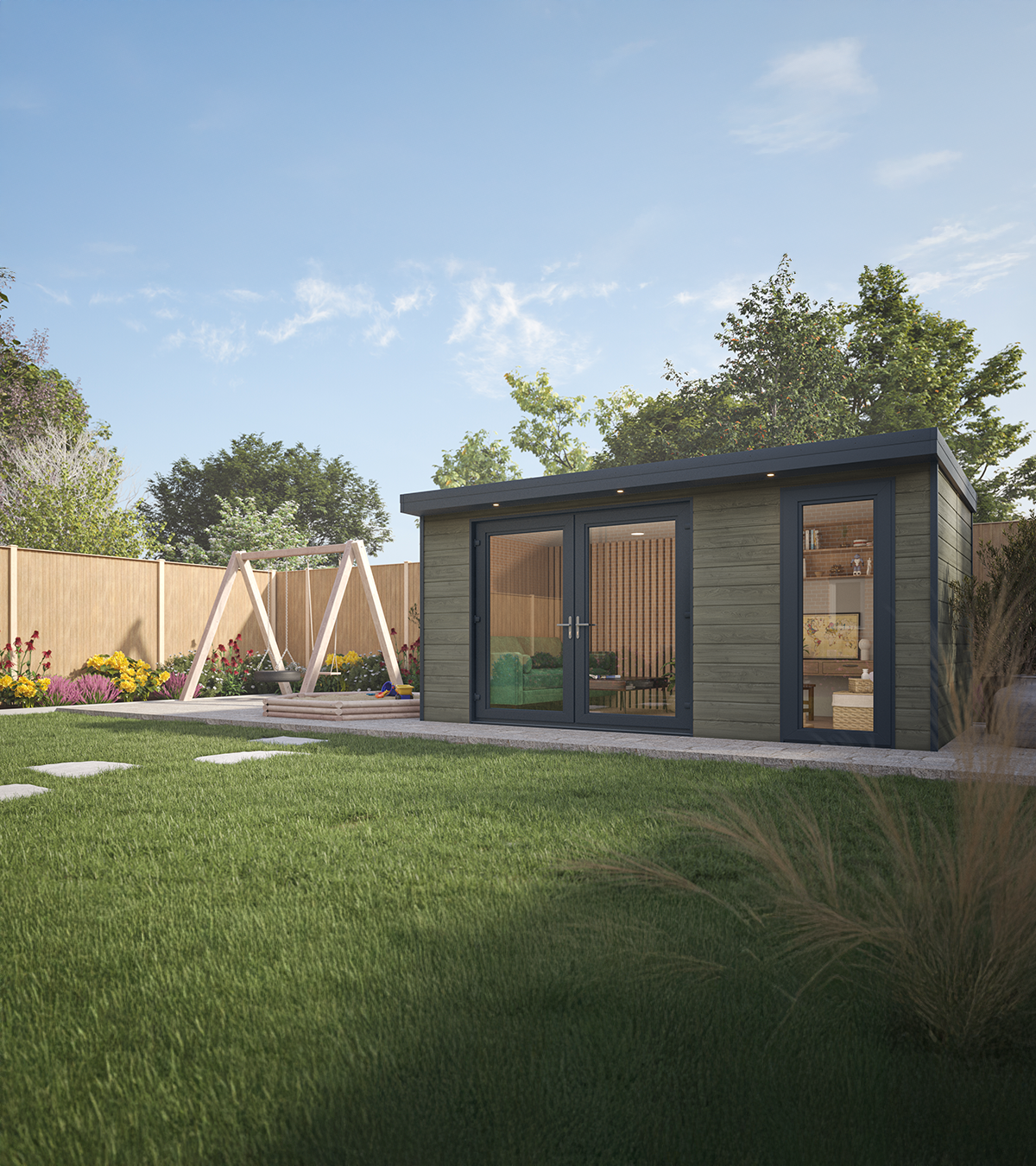
A garden room is currently one of the most desirable home upgrades, it’s an effective way of expanding your home and providing you with much needed additional living space. Whether you choose to use your garden building for a home office, gym, studio, entertaining space or somewhere to relax and unwind, a garden room can
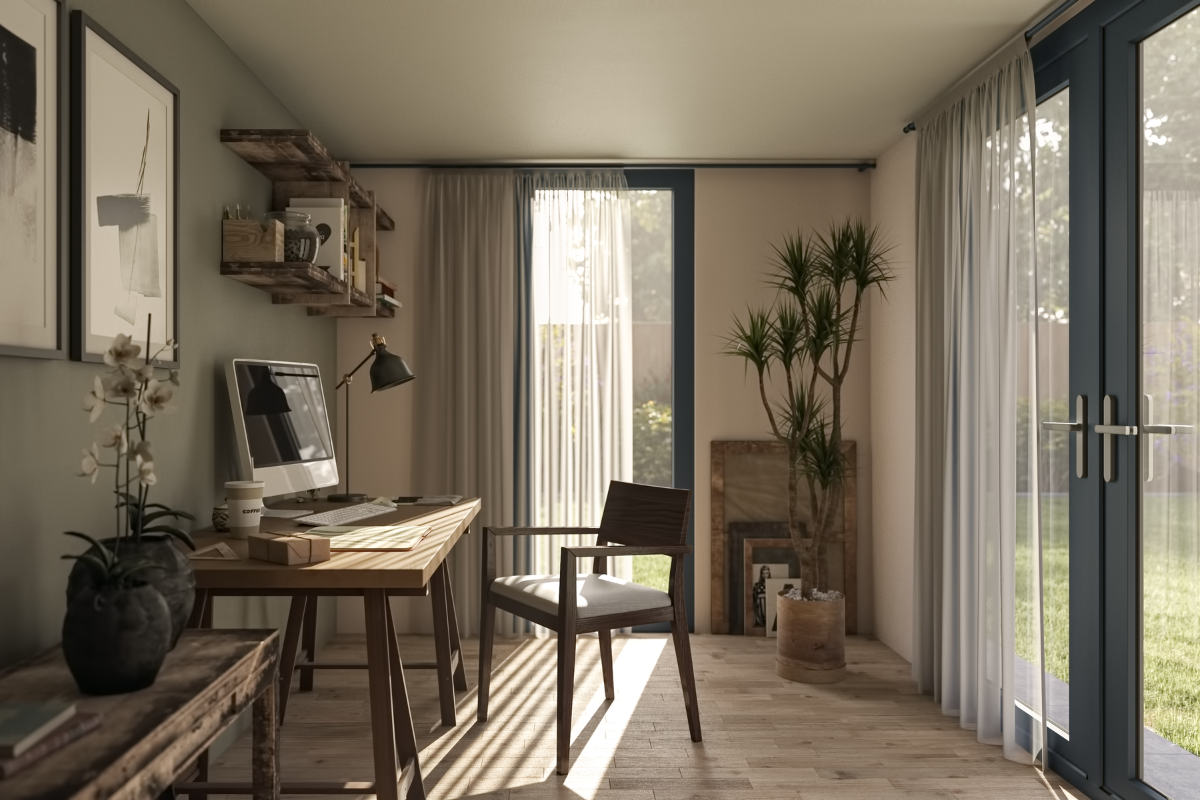
We provide some helpful advice about how to make the most of your garden room all year round, creating a space that is warm and cosy in the cold, dark winter months, but cool and light throughout summer.

We answer some of the most frequently asked questions about foundations, to ensure you understand everything you need to know about garden rooms or garden buildings.